Holographic Horizons: Inside the Rumored 'Spatial iPhone' and Next-Gen 3D Displays
Recent whispers from the supply chain suggest that both Apple and Samsung are exploring a revolutionary leap in smartphone displays—one that could bring holographic, glasses-free 3D visuals to your pocket. Known unofficially as the 'Spatial iPhone,' this concept would merge advanced eye-tracking with diffractive beam-steering to create depth that seems to float above the screen. While the technology remains in early research stages, the potential is enormous. Below, we break down the key questions surrounding this futuristic display.
What Exactly Is a 'Spatial iPhone'?
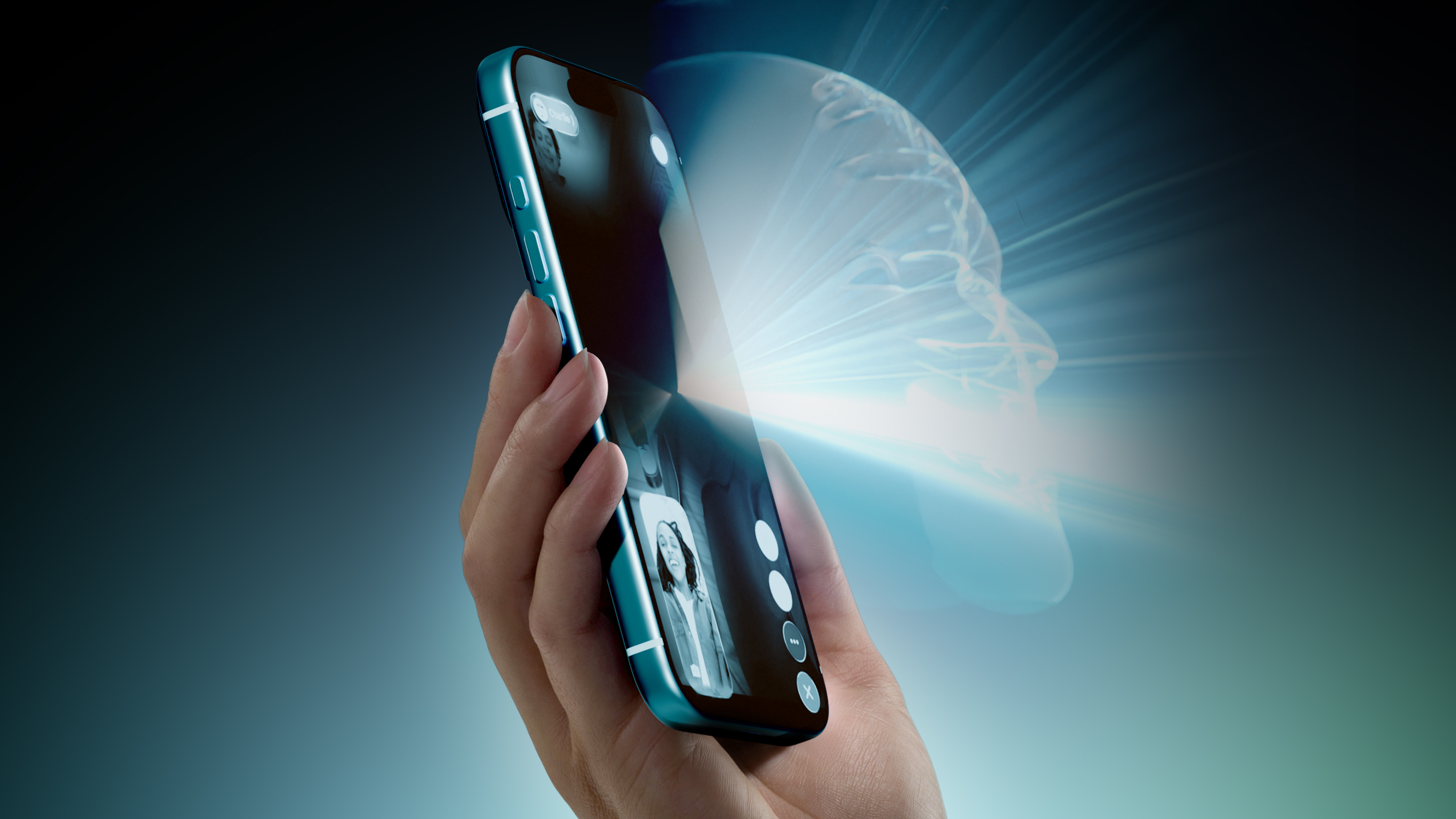
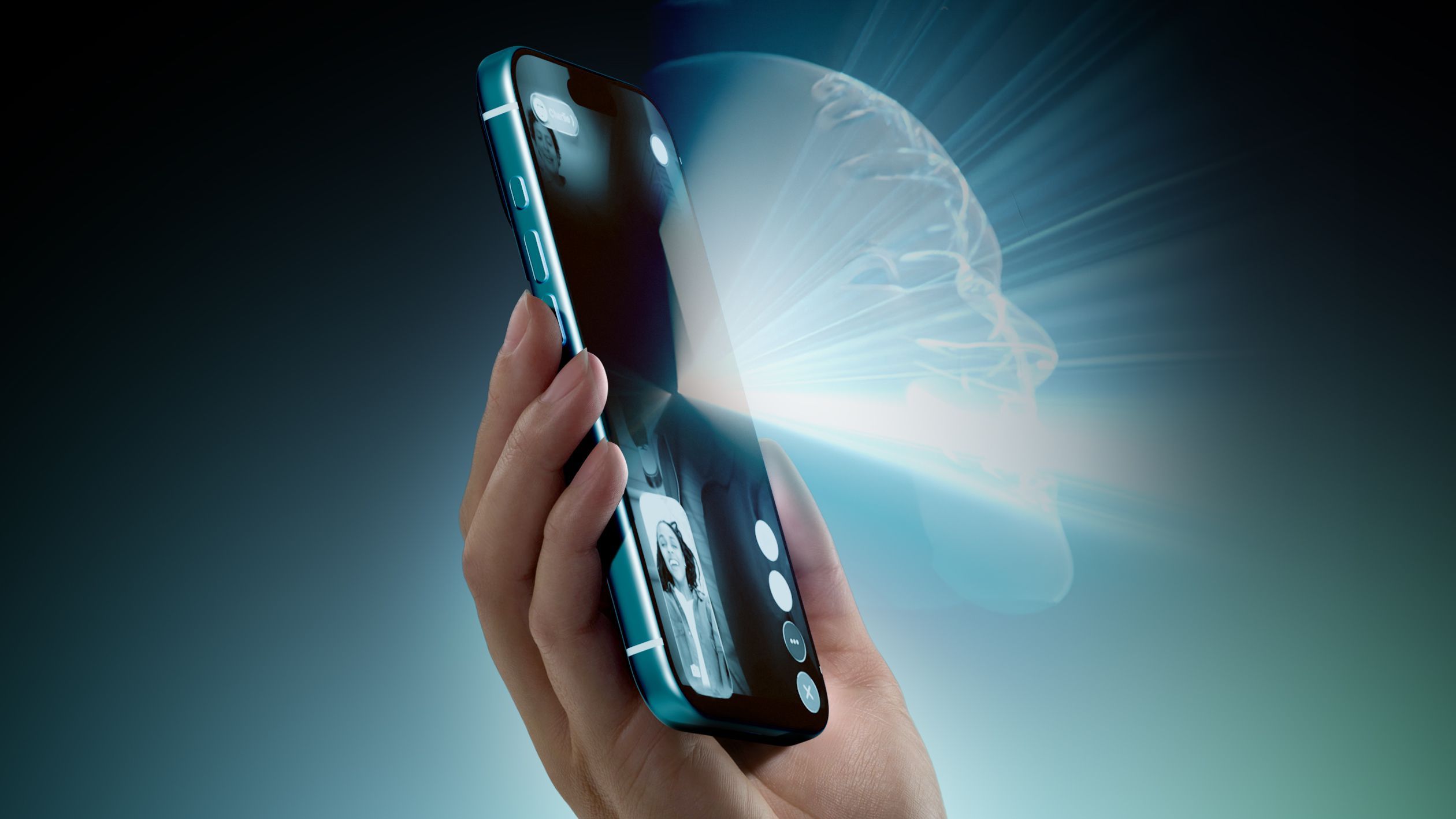
The term 'Spatial iPhone' refers to a rumored Apple device equipped with a holographic display that projects three-dimensional images without requiring special glasses. Unlike older lenticular 3D screens, this technology uses a nano-structured holographic layer integrated into the AMOLED stack. By combining precise eye-tracking with diffractive beam-steering—where microscopic structures bend light toward the viewer's eyes at specific angles—the display creates the illusion of objects floating above the glass surface. Users could tilt the phone to see around virtual objects, offering a 360-degree viewing experience. According to leaks, the project is still in Phase 1 of R&D, with a possible market introduction around 2030.
Who Is Developing This Holographic Technology?
Leaks from the leaker 'Schrödinger' on X suggest that Samsung is the primary developer behind the hardware, codenamed 'MH1' or 'H1.' Samsung's Advanced Institute of Technology (SAIT) has published academic work on slim-panel holography since 2020, including a Nature Communications paper detailing a steering-backlight unit that increased viewing angles by 30 times. While Samsung manufactures displays for many devices, Apple does not produce its own screens; instead, Apple relies on suppliers like Samsung for iPhone OLED panels. Therefore, any Apple 'Spatial iPhone' would likely use Samsung-made displays. However, supply chain rumors indicate that Apple itself has been circulating interest in such a device among component suppliers, hinting at internal discussions.
How Does the Holographic Display Function?
Unlike traditional glasses-free 3D screens that rely on lenticular lenses (which often reduce image clarity), the H1 display pairs advanced eye-tracking with diffractive beam-steering. Here's how it works: a nano-structured layer within the AMOLED stack bends light at precise angles toward your eyes. As you move your head, the system tracks your gaze and adjusts the light paths, creating a convincing sense of depth—objects appear to float above the screen. Moreover, the display maintains full 4K resolution for standard 2D tasks, with the holographic layer activating only for compatible content. This is called 'Zero Clarity Loss,' avoiding the image quality tradeoff of older 3D screens. A patented algorithm also allows 360-degree rotation, letting users see around objects by tilting the device.
When Could We See a Holographic Smartphone?
According to the leaks, the H1 (or MH1) project remains in Phase 1 of research and development. The leaker points to an approximate 2030 timeframe for holographic smartphones broadly. This is not surprising given the technical hurdles: current prototypes, like one described in SAIT's 2020 paper, were about 1 cm thick and capable of 4K holographic video at 30 frames per second—impressive but not yet slim enough for a phone. The challenge of miniaturizing the display while maintaining wide viewing angles and high resolution is significant. Samsung's head start in manufacturing, backed by published research, positions it as the most likely first mover, but Apple's deep interest (dating back to a 2008 patent for autostereoscopic displays) suggests both giants are racing toward a similar goal.
What Is Apple’s History with Holographic Displays?
Apple has explored glasses-free 3D display technology for nearly two decades. In 2008, the company filed a patent application for an autostereoscopic display that tracked a viewer's position to deliver 3D imagery without glasses. More recently, Apple's work on spatial computing—via the Vision Pro headset—shows its commitment to immersive experiences. However, a holographic iPhone would be a different beast: it would bring glasses-free 3D to a handheld form factor, leveraging advances in eye-tracking and beam-steering. While Apple hasn't confirmed any such project, supply chain whispers about a 'Spatial iPhone' align with its long-term strategy of integrating advanced display tech into consumer devices. The challenge remains manufacturing, as Apple depends on suppliers like Samsung, who are also developing similar tech.
Why Does Samsung Have an Advantage in This Race?
Samsung's advantage stems from its vertical integration and early research. SAIT (Samsung Advanced Institute of Technology) has published peer-reviewed work on slim-panel holography since 2020, including a breakthrough in steering-backlight units that dramatically improved viewing angles—a key obstacle for handheld devices. Additionally, Samsung already manufactures OLED panels for iPhones, giving it the production infrastructure to scale the H1 display. While Apple's software ecosystem and design prowess are unmatched, Samsung's hardware head start means it could productize a holographic smartphone sooner. The leaker noted that 'Samsung isn't alone' in wanting to ship such a device, implying Apple is also pushing component suppliers, but Samsung's manufacturing readiness likely makes it the first to market around 2030.