How to Evaluate Roblox's AI Photorealism Initiative from a Developer's Perspective
Introduction
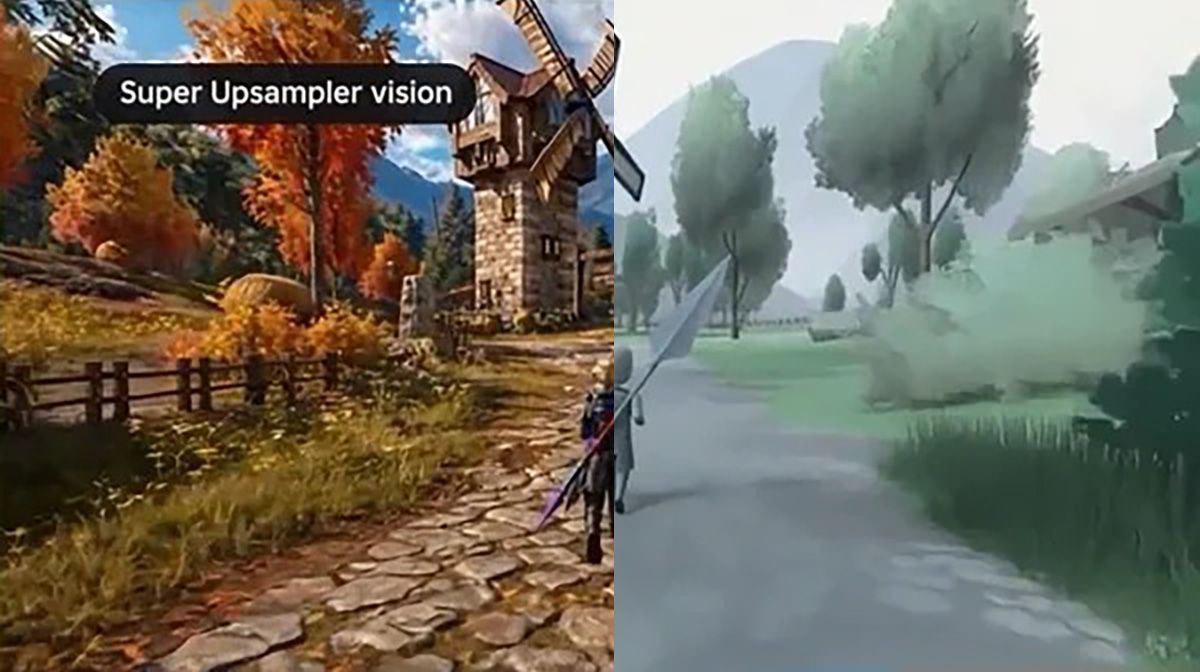
Roblox, the platform known for its blocky, Lego-like games, recently announced Roblox Reality, an AI-powered feature that upsamples low-fidelity games into photorealistic visuals. While the tech is impressive, it raises a critical question: does the Roblox community—especially developers—actually want this? Drawing from industry insights, including those of Alec Kieft, co-creator of the hit Roblox survival game 99 Nights in the Forest, we'll walk through the steps to understand the pros, cons, and underlying dynamics. This guide will help you form an informed opinion, whether you're a developer, player, or industry observer.
What You Need
- Basic knowledge of Roblox as a game creation platform
- Familiarity with AI upscaling technologies (e.g., Nvidia DLSS)
- Access to developer interviews or community forums (optional for deeper research)
- A critical mindset to weigh technical possibilities against user experience
Step-by-Step Guide
Step 1: Recognize Roblox's Core Appeal
Roblox's charm lies in its minimalist, low-poly graphics. Unlike photorealistic games, Roblox titles use simple shapes and textures that are easy to run on low-end hardware. This is intentional: the lo-fi style allows players (especially younger ones) to quickly understand game mechanics without visual clutter. As Kieft notes, "There's not a lot for them to focus on on the map… They can easily parse exactly what is happening." The simplicity is a feature, not a bug.
Step 2: Understand Roblox Reality
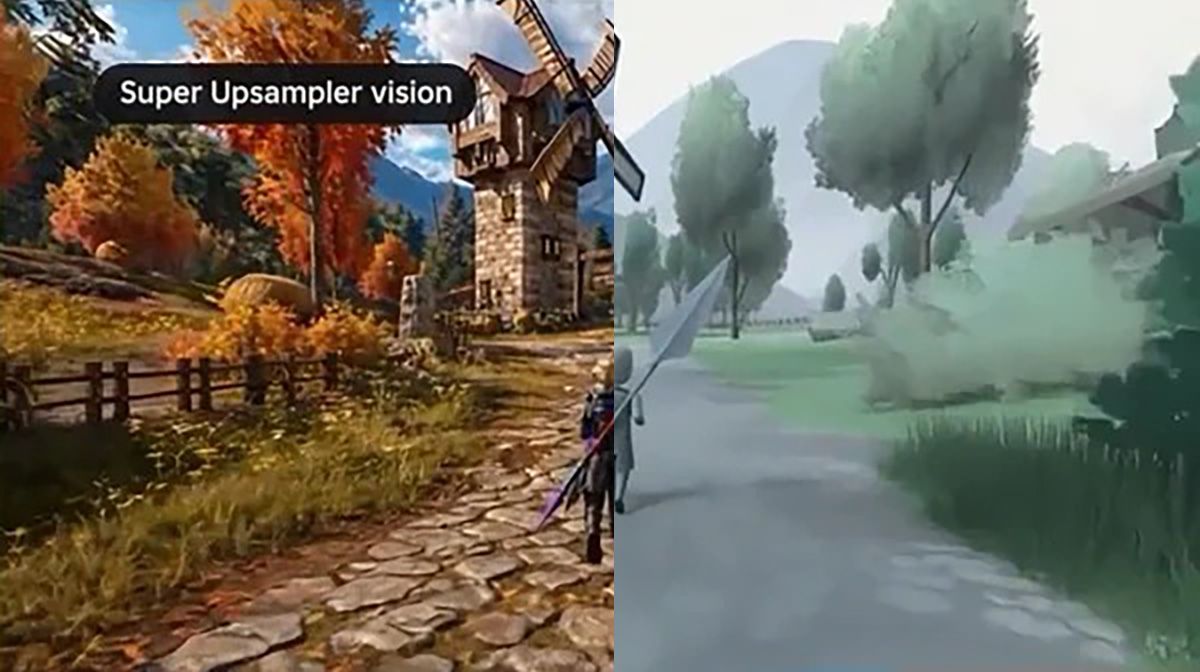
Roblox Reality uses AI to upscale existing Roblox games—like Grow a Garden—into photorealistic renditions. The demo video shows shiny, wet-looking surfaces and a menu interpreted as a 3D sign. While technically impressive, it introduces problems: performance overhead (players need better hardware) and visual noise that may obscure gameplay cues. This is where the controversy begins.
Step 3: Analyze Developer Concerns
Developers like Alec Kieft highlight that high fidelity can overwhelm players. In complex Steam survival games, "you can't even see a rock on the ground because the texture beneath it is just so detailed." This leads to solutions like "detective vision" or yellow paint to indicate interactable objects—workarounds that break immersion. Roblox's clean style avoids these issues, and many developers worry that AI photorealism would introduce them unnecessarily.
Step 4: Compare with Industry Trends
Nvidia's DLSS 5 promises similar AI-driven realism for high-end PC games. That makes sense for a market that already prioritizes graphics. Roblox, however, caters to a broad, often younger, audience using low-end devices. Applying the same logic to Roblox risks alienating its core user base. The question becomes: is Roblox chasing a new audience at the expense of its existing one?
Step 5: Consider the Audience Demographics
Roblox's player base is heavily skewed toward children and teens, many of whom play on laptops, tablets, or old PCs. Photorealism would require more powerful GPUs, potentially excluding a large portion of users. Developers like Kieft point out that "the more complicated Steam survival games… are gorgeous, but you can't even see a rock." Roblox's simplicity ensures accessibility—a key reason for its massive popularity.
Step 6: Assess Potential Benefits and Risks
Roblox may be trying to attract older, graphics-conscious players who currently avoid the platform. But forced photorealism could backfire. Kieft states, "I think a lot of the moves Roblox has made recently are trying to prod everyone in the direction of… a high-fidelity driving game." Yet he personally isn't interested. The risk is that developers feel pressured to adopt AI upscaling, even if it harms their game's playability.
Step 7: Form Your Own Opinion
Weigh the evidence: Does AI photorealism align with Roblox's identity? For some games (e.g., driving sims), it might add value. For most, it could introduce confusion and performance issues. As Kieft concludes, "I don't think that your average player right now wants to do that." Listen to the community and decide whether you see Roblox Reality as an innovation or a misstep.
Tips for Developers and Enthusiasts
- For Developers: Test AI upscaling opt-in rather than default; let creators choose the aesthetic that suits their game.
- For Players: Voice your preferences on Roblox forums and social media—your feedback shapes the platform's direction.
- For Roblox: Consider offering photorealism as an option for high-end devices, not a mandatory uniform upgrade.
- General Tip: Remember that game design is about communication; clarity often beats realism.