The Extraordinary Legacy of Fathers: 10 Revelations About Paternal Exercise and RNA
Imagine a world where the miles you run today could make your future children faster and healthier, even before they are conceived. This isn't science fiction—it's a breakthrough discovery in epigenetics. In a quiet laboratory in Jiangsu, China, biochemist Xin Yin uncovered something astonishing: the exercise habits of male mice appeared to directly enhance the athletic performance of their offspring. The key? Not DNA, but a hidden messenger carried in sperm—RNA. This article dives into 10 key insights from this groundbreaking study that challenge our understanding of inheritance.
1. The Unexplained Athletic Mice
On a sunlit afternoon in Jiangsu, Xin Yin watched as mice from the same litter ran tirelessly on a small treadmill. These rodents were no ordinary lab mice—they could run longer distances with less lactic acid buildup, a sign of superior fitness. The puzzle? They were genetically identical to control mice that showed average endurance. Something outside their genes was at work. Yin’s initial reaction was pure surprise. The mice hadn’t undergone special training or diet regimens. The only difference? Their fathers had been regular exercisers before mating. This observation sparked a deeper investigation into how a father’s lifestyle might imprint on his offspring.
2. A Personal Trainer for Rodents
The experiment required precision. Yin and his team became personal trainers for male mice, putting them through a structured exercise regimen. These rodents ran on a miniature treadmill that started slow and gradually increased speed. The goal wasn’t to make the fathers super athletes, but to simulate moderate, consistent exercise. After several weeks of training, the males were bred with sedentary females. The control group of fathers did no exercise. When the pups were born, they underwent the same treadmill test. The results were clear: pups from exercised fathers outperformed those from sedentary fathers, suggesting a transgenerational effect tied directly to paternal activity.
3. The Treadmill Test
To measure fitness, Yin used a classic endurance test: running on a treadmill until exhaustion. The littermates from exercised fathers ran significantly farther. Blood samples showed lower lactic acid levels, indicating more efficient energy use. This wasn’t about muscle strength—it was about metabolic efficiency. The mice weren’t trained themselves; their superior performance was apparent from a young age. This test provided concrete evidence that the father’s exercise had altered something fundamental in the pups’ physiology. The question remained: how could a behavior before conception influence an offspring that never experienced the exercise?
4. Genetics Aren't Everything
One of the most striking aspects of this study is that the paternal exercise effect wasn’t caused by changes in DNA sequence. Both groups of mice came from the same genetic stock. This means the inheritance wasn’t Mendelian—it was epigenetic. Epigenetics refers to changes in gene expression without altering the underlying DNA code. In this case, the father’s exercise triggered modifications that were passed on through sperm. These modifications didn’t change genes; they changed how genes were read. This challenges the traditional view that only DNA sequences matter for heredity. Instead, a lifestyle choice can sculpt offspring traits.
5. Paternal Exercise's Legacy
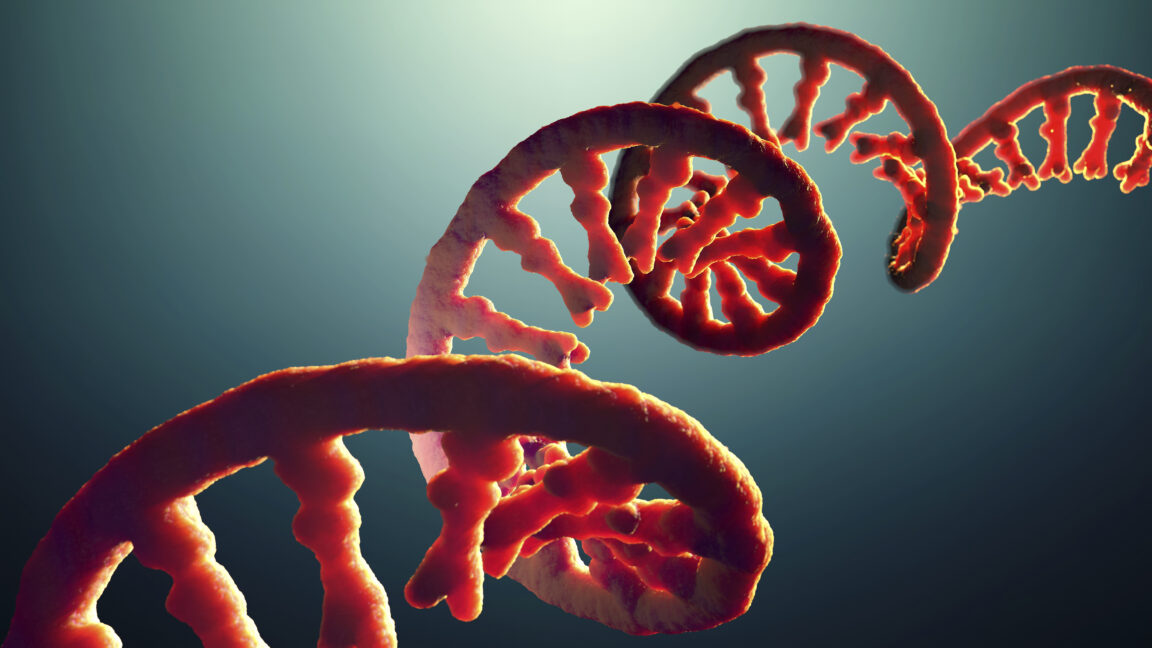
The real discovery lies in the molecular messenger. Yin’s team suspected that exercise altered the RNA molecules in sperm. RNA is often thought of as a temporary copy of DNA, but it can also carry information across generations. In this study, small non-coding RNAs in sperm were found to be different after exercise. These RNAs, once delivered to the egg during fertilization, influenced how the embryo developed. The result: pups with better energy metabolism and endurance. This finding suggests that a father’s physical activity doesn’t just benefit him—it can program his children for better metabolic health.
6. The Role of RNA in Inheritance
RNA as a carrier of epigenetic information is an emerging frontier. In the mice, the specific changes were in a class called tRNA-derived small RNAs. These fragments help regulate protein production. After exercise, the sperm had a different profile of these RNAs. When transferred to the egg, they altered the early embryo’s metabolic pathways. This mechanism explains why the pups were more efficient runners. It also opens the door to understanding how paternal exposures—from diet to stress—might be passed on. The father’s RNA was effectively a biological memory of his exercise habits, delivered to the next generation.
7. How Sperm RNA Carries the Message
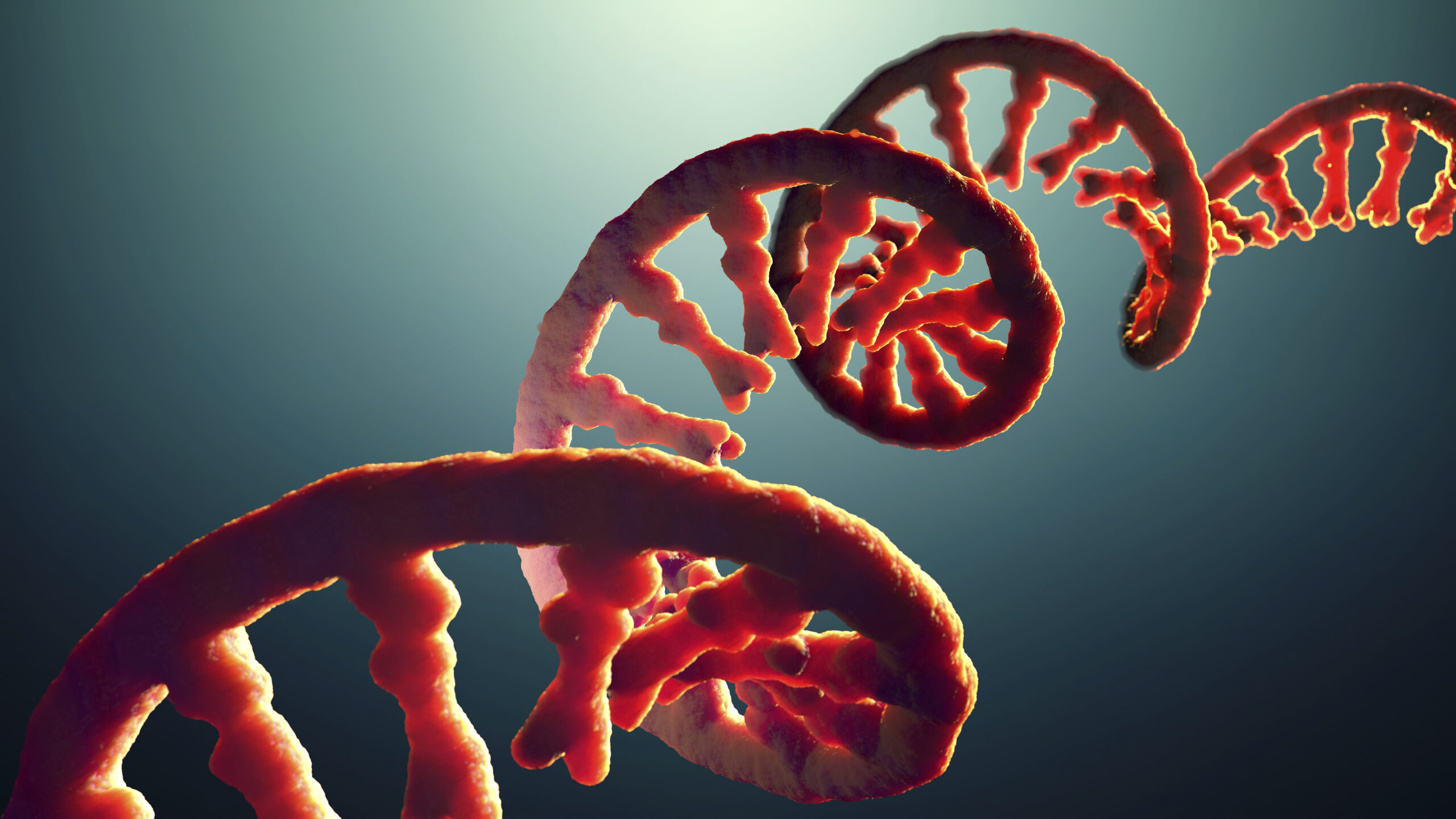
The journey from father’s leg muscles to his offspring’s cells is remarkable. Exercise triggers a cascade of molecular signals in the body, many of which affect the testes and developing sperm. Specific small RNAs become more abundant after exercise. These RNAs are packaged into sperm and survive the fertilization process. Once inside the egg, they influence gene expression in the early embryo. Yin’s study showed that these RNA changes are not random—they target genes involved in energy metabolism. This is a clear example of how a physical activity can produce a molecular tag that persists across generations.
8. From Mouse to Man: Human Implications
Does this translate to humans? While direct experiments are impossible, the mechanisms are highly conserved. Human sperm also carry small RNAs that change with lifestyle factors like diet, stress, and exercise. Studies in men show that exercise alters sperm RNA profiles. This raises the possibility that a father’s fitness routine could influence his children’s health. For example, a father who runs regularly might pass on better metabolic health. However, more research is needed to confirm long-term effects in humans. The mouse model provides a strong foundation, but human heredity involves complex social and environmental factors.
9. The Next Steps in Research
The study by Yin and his team is just the beginning. Future research will explore how different types, durations, and intensities of exercise affect the RNA legacy. Are there critical windows before conception? Can the effects stack over generations? Questions also arise about negative influences—if a father’s poor diet or stress also transmit via RNA. Scientists are also investigating whether similar effects occur in other species. The long-term goal is to understand how parental experiences shape offspring health, which could lead to public health recommendations for preconception care focused on fathers as well as mothers.
10. What This Means for Future Generations
The takeaway is profound: your habits might echo through your lineage. For men considering starting a family, regular exercise could be an investment in their children’s metabolic health. This doesn’t mean extreme training—moderate activity appears sufficient. The discovery also emphasizes that inheritance is more than DNA. It’s about a dynamic system where lifestyle choices leave molecular footprints. The old question “Do you take after your dad?” gains new meaning. Now we know you might take after his RNA—the tiny molecules that carry his active lifestyle into your cells. This knowledge empowers us to shape our legacy beyond just genes.
In conclusion, the study from Nanjing University challenges us to rethink heredity. What we do before parenthood can influence our children in ways we never imagined. The science of RNA-based inheritance is still young, but it already shows that our health is not just our own—it’s a gift or a burden passed forward. So the next time you lace up your running shoes, remember: you might be training not just for yourself, but for your future family.