8 Critical Facts About the SpaceX Rocket Debris Speeding Toward the Moon
When a spent rocket stage from a SpaceX Falcon 9 launch goes astray, it's not just space junk—it's on a collision course with our nearest celestial neighbor. In early August, a piece of hardware left over from a mission last year will slam into the Moon's surface. Here are eight crucial things you need to know about this extraordinary event.
1. The Object: A Spent Falcon 9 Upper Stage
The debris consists of the second stage from a Falcon 9 rocket. After delivering its payload to orbit, the upper stage typically re-enters Earth's atmosphere or is sent into a graveyard orbit. In this case, however, the stage remained in a high elliptical orbit around Earth, its remaining fuel and trajectory now setting it on a lunar impact path.
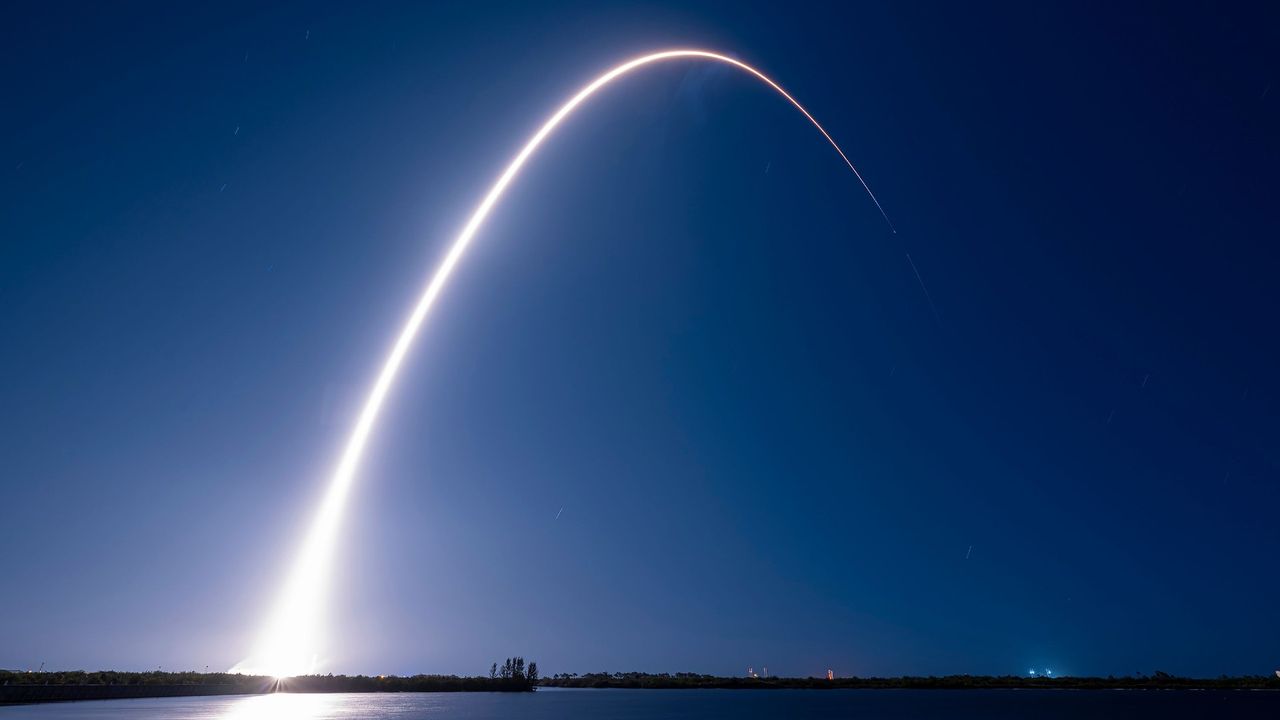
2. It Originated From a Mission Over a Year Ago
This particular stage was part of a SpaceX Falcon 9 launch that took place in 2021. The exact mission remains unspecified, but the rocket's upper stage was left in an unpredictable orbit after completing its primary tasks. Over time, gravitational perturbations and minor propulsive events nudged it onto a collision course with the Moon.
3. The Predicted Impact Date: Early August
Astronomers currently expect the stage to strike the lunar surface in early August. While the precise time depends on orbital decay and solar activity, the window is narrowing. Impact will occur on the far side of the Moon, meaning Earth-based observers won't see it directly, but satellites may record the event.
4. Size and Speed of the Incoming Debris
The Falcon 9 upper stage is roughly the size of a small bus—about 15 meters long and 3.7 meters in diameter. Weighing approximately four metric tons when empty, it will hit the Moon at a velocity of around 2.5 kilometers per second, releasing energy equivalent to several tons of TNT.
5. Why It's on a Lunar Collision Course
Most rocket stages are disposed of by controlled re-entry into oceans or by boosting them into a stable graveyard orbit. But when a stage is left in a highly elliptical orbit that extends beyond the Moon's orbit, the combined gravity of Earth and Moon can slowly alter its path. Over many months, these perturbations turned a near-miss into a direct hit.
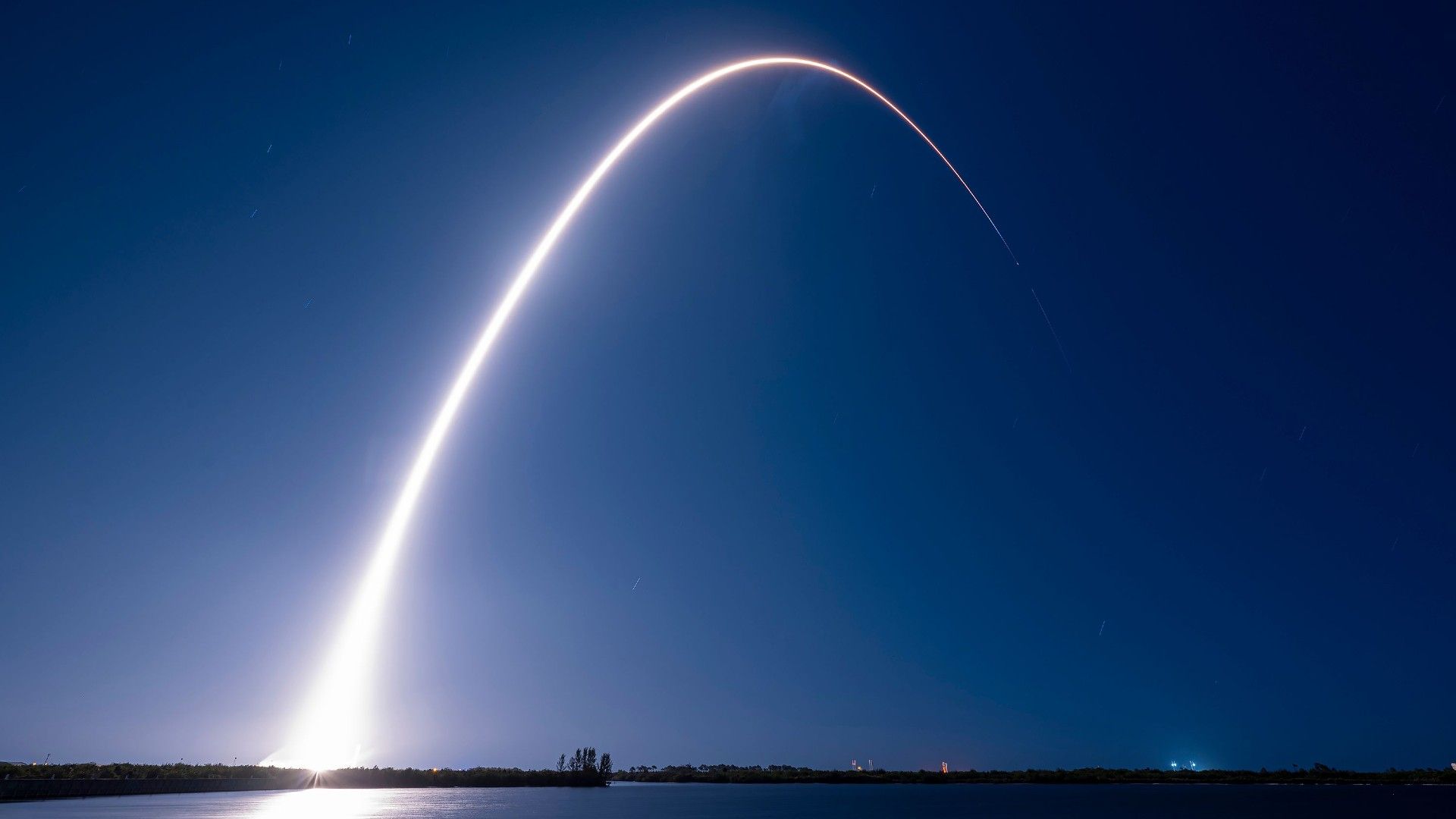
6. Previous Human-Made Lunar Impacts
This isn't the first time human debris has struck the Moon. During the Apollo era, Saturn V upper stages were intentionally crashed into the Moon to trigger moonquakes for seismic experiments. More recently, India's Chandrayaan-1 deliberately impacted in 2008. But accidental strikes like this are rare and often go unplanned.
7. No Danger to Earth, but Scientific Benefits
The Moon has no atmosphere, so the debris will simply disintegrate upon impact, creating a fresh crater. There's zero risk to Earth. However, scientists are excited: the impact will fling up subsurface material, offering a chance to study lunar geology—especially if orbiting spacecraft like NASA's Lunar Reconnaissance Orbiter can observe the aftermath.
8. What This Means for Space Debris Management
The incident highlights the growing challenge of space junk beyond low Earth orbit. As more rockets send payloads to deep space, we need better tracking and disposal protocols. SpaceX and other companies are developing methods to deorbit stages, but leftover hardware in high orbits remains a concern for future lunar missions and astronomy.
The Falcon 9 stage's imminent lunar impact is a vivid reminder that our actions in space have lasting consequences—even on the Moon. While the event is harmless, it underscores the need for responsible debris management as humanity expands its reach beyond Earth.