5 Hidden Dangers of Cannabis for Seniors: Expert Insights from Stanford
As cannabis becomes more socially accepted and legally accessible, older adults are increasingly turning to it for relief from chronic pain, anxiety, or sleep issues. However, a recent report from Stanford Medicine warns that today's marijuana is far more potent than what many seniors remember from their younger years—and the risks may be dangerously underestimated. Experts have identified five critical hazards that people over 65 should consider before using cannabis. From cardiovascular strain to medication clashes, these insights are essential for making informed decisions. Below, we break down each danger with actionable advice to help you or your loved ones stay safe.
1. Increased Heart Risk: A Silent Strain on the Cardiovascular System
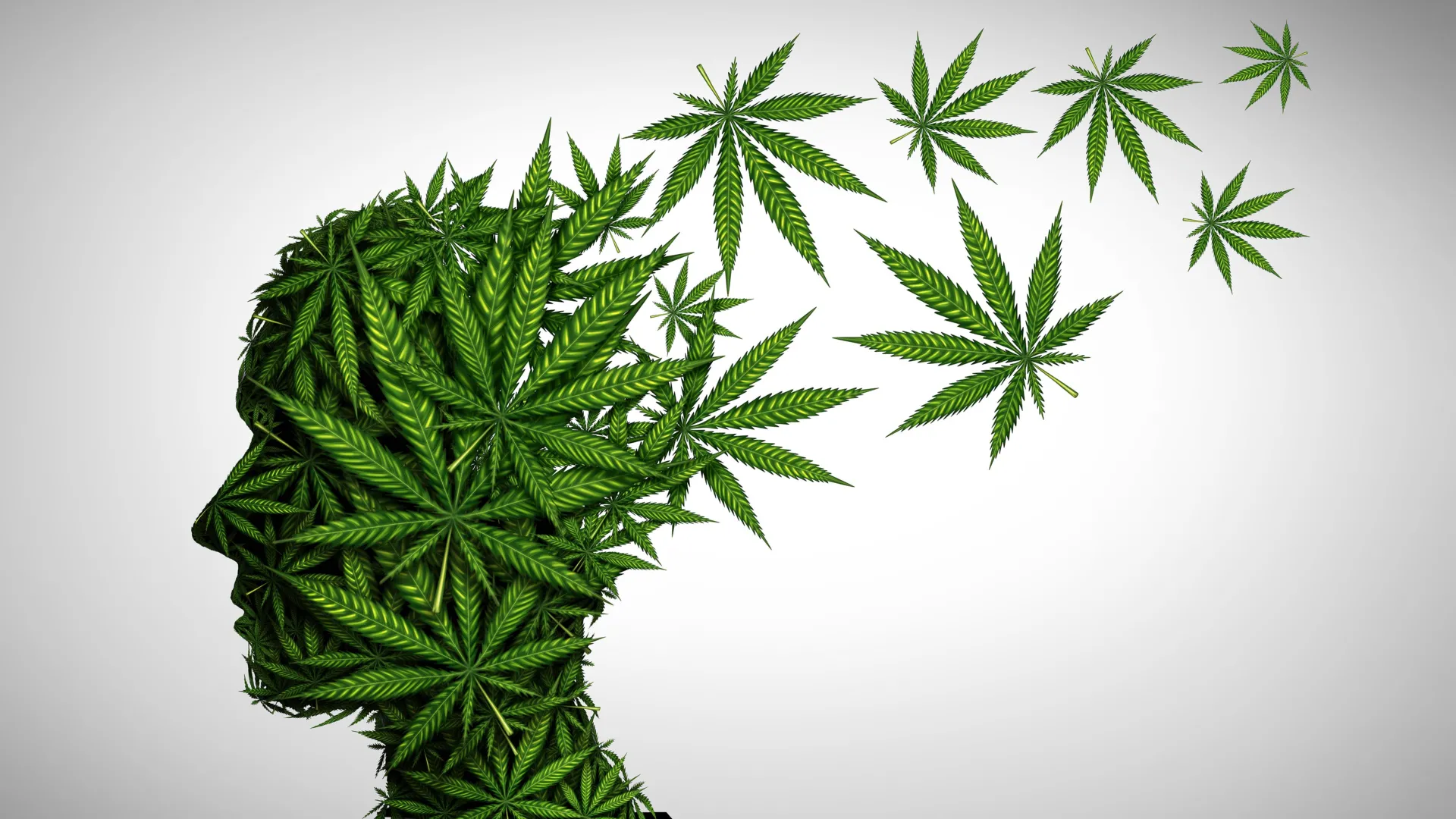
Cannabis can cause a sudden spike in heart rate and blood pressure, which is particularly risky for older adults with underlying heart conditions. Stanford specialists highlight that modern high-potency strains may elevate the chance of heart attack or arrhythmia within the first hour of use. This effect is especially concerning for seniors who already have hypertension or a history of heart disease. Because many older adults use cannabis without consulting a cardiologist, they may overlook this serious side effect. If you have any cardiovascular issues, discuss with your doctor before trying cannabis—and avoid high-THC products entirely.
2. Heightened Fall Risk: The Dangers of Dizziness and Imbalance
Falls are a leading cause of injury among seniors, and cannabis use can significantly increase that danger. THC affects balance, coordination, and reaction time, which can make walking or navigating stairs hazardous. In a 2020 study, older adults who used cannabis were nearly twice as likely to report a fall compared to non-users. Even small doses can impair motor function for hours. To reduce risk, start with low-THC or CBD-only products, and avoid using cannabis before any activity requiring agility—such as cooking, bathing, or walking on uneven surfaces.
3. Memory and Cognitive Decline: More Than Just Brain Fog
Short-term memory loss is a well-known effect of cannabis, but for older adults, the stakes are higher. Stanford researchers caution that regular use may accelerate age-related cognitive decline or unmask early dementia symptoms. The hippocampus—the brain region responsible for forming new memories—is particularly vulnerable. Even occasional use can interfere with recall and focus, making it harder to manage medications or daily tasks. If you or a family member notice confusion after cannabis use, consider stopping and consulting a neurologist. CBD may be a safer alternative with fewer cognitive side effects.
4. Dangerous Drug Interactions: A Hidden Cocktail of Risks
Many seniors take multiple medications, and cannabis can interact with them in unpredictable ways. It can amplify the sedative effects of sleep aids, blood thinners (like warfarin), and blood pressure drugs, leading to excessive drowsiness, increased bleeding, or dangerously low blood pressure. Furthermore, cannabis may affect liver enzymes responsible for metabolizing many medications, altering their effectiveness. Stanford experts advise that anyone taking prescription drugs should consult a pharmacist or physician before using cannabis. Keep a list of all medications—including over-the-counter ones—to share with your healthcare provider.
5. Addiction and Dependence: It's Not Just a 'Soft Drug'
While many believe cannabis is non-addictive, roughly 9% of all users develop a cannabis use disorder—and that number rises to about 17% for those who start in adolescence. For older adults, the risk of dependence is real, especially when using high-potency products daily. Signs include cravings, withdrawal symptoms (irritability, sleep problems), and inability to cut down despite negative impacts on health. Stanford experts emphasize that addiction can harm social relationships and mental health. If you find it hard to stop or notice negative effects, seek help from a specialist in addiction medicine.
In conclusion, while cannabis may offer benefits for some seniors, the potential risks are serious and often overlooked. The five dangers outlined—heart strain, falls, cognitive decline, drug interactions, and addiction—underscore the need for caution. Always consult your healthcare provider before starting any cannabis product, and choose low-THC options when possible. Stay informed, stay safe, and let these expert insights guide your decisions.