How to Secure Your Systems Against the April 2026 Patch Tuesday Vulnerabilities
Introduction
In April 2026, Microsoft released an unprecedented batch of security updates addressing 167 vulnerabilities, including a zero-day in SharePoint Server (CVE-2026-32201) and a publicly disclosed Windows Defender flaw dubbed BlueHammer (CVE-2026-33825). Separately, Google Chrome fixed its fourth zero-day of the year, and Adobe Reader received an emergency patch for an actively exploited remote code execution bug (CVE-2026-34621). To protect your organization from these critical threats, follow this step-by-step guide to applying patches and strengthening your defenses.

What You Need
- Administrative access to all Windows servers, desktops, and laptops in your environment
- System backup – a full system state or image backup for each device before patching
- Internet connectivity to download updates from Microsoft Update Catalog, Google Chrome, and Adobe
- Patch management tool (e.g., WSUS, SCCM, or third-party) if deploying across a large network
- List of affected systems – inventory of all devices running Windows, SharePoint Server, Chrome, and Adobe Reader
- Testing environment (optional but recommended) to validate patches before wide deployment
Step-by-Step Instructions
Step 1: Identify and Assess Affected Software
Review the security bulletins from Microsoft, Google, and Adobe for April 2026. Note the critical vulnerabilities:
- CVE-2026-32201 (Microsoft SharePoint Server) – spoofing vulnerability already under active attack.
- CVE-2026-33825 (Windows Defender BlueHammer) – privilege escalation with public exploit code now ineffective after patching.
- Google Chrome zero-days (fourth of 2026) – update to the latest version immediately.
- CVE-2026-34621 (Adobe Reader) – actively exploited since November 2025; remote code execution.
Use your asset inventory to locate all endpoints running these products. Pay special attention to SharePoint servers hosting sensitive data and any systems where Chrome or Adobe Reader is used for browsing.
Step 2: Prioritize Patches Based on Risk
Not all vulnerabilities pose the same threat. Given active exploitation:
- Patch SharePoint Server first – attackers are already exploiting CVE-2026-32201 to spoof trusted content, enabling phishing and data manipulation (as noted by Mike Walters of Action1).
- Apply the Windows Defender fix (BlueHammer) – though the exploit code has been neutralized by patches (confirmed by Will Dormann), unpatched systems remain vulnerable to privilege escalation attacks.
- Update Adobe Reader – the emergency patch (CVE-2026-34621) stops active remote code execution attacks that have been ongoing for months.
- Upgrade Google Chrome – this is the fourth zero-day of 2026; ensure all browsers are running the latest version.
- Install remaining Microsoft updates – April 2026 includes nearly 60 browser-related patches (many from Chromium engine, as noted by Adam Barnett of Rapid7).
Step 3: Download and Install the Updates
For each product, use the recommended update channel:
- Microsoft Windows and Office: Go to Settings > Update & Security > Windows Update and click "Check for updates." For enterprise deployments, use WSUS or SCCM to approve and distribute the April 2026 cumulative updates.
- SharePoint Server: Install the specific security update from the Microsoft Download Center or via Windows Server Update Services. The update will address CVE-2026-32201.
- Windows Defender: Updates are delivered automatically through Windows Update. Verify the antivirus definition version (April 2026) and ensure the latest engine is installed.
- Google Chrome: Click the three-dot menu > Help > About Google Chrome. The browser will check for updates and install them automatically. Restart Chrome when prompted.
- Adobe Reader: Open Adobe Acrobat Reader DC, go to Help > Check for Updates. Alternatively, download the latest installer from the Adobe website.
Step 4: Restart and Verify Patch Installation
After installation, restart all affected systems – especially browsers, SharePoint services, and the Windows Defender service. To verify patches were applied:
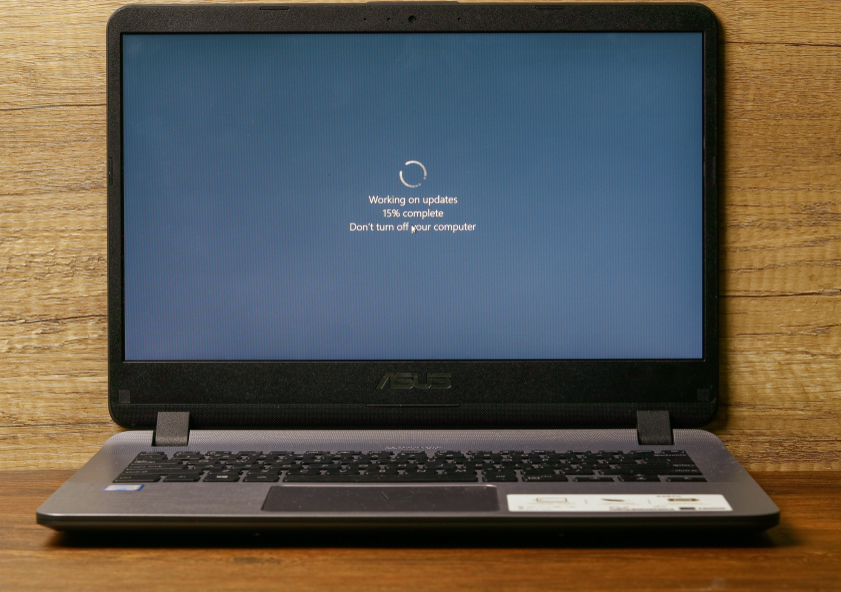
- For Windows, run
wmic qfe list brief /format:tablein Command Prompt to see installed updates. - For Chrome, check that the version is at least the one specified in the April 2026 security bulletin.
- For Adobe Reader, navigate to Help > About Adobe Acrobat Reader and confirm the version matches the patched build.
- Test SharePoint functionality – ensure no new vulnerabilities are exploitable by attempting to spoof content (in a controlled environment).
Remember: "no matter what browser you use to surf the web, it’s important to completely close out and restart the browser" to apply the latest security updates.
Step 5: Monitor for Signs of Exploitation
Even after patching, adversaries may attempt to exploit leftover vulnerabilities or pivot from already compromised systems. Implement monitoring:
- Review SharePoint audit logs for unusual sign-ins or content modifications (especially phishing-related).
- Check Windows Defender protection history for any failed exploit attempts targeting BlueHammer.
- Enable Chrome’s Safe Browsing and use extensions like uBlock Origin to block malicious scripts.
- Apply additional mitigations recommended by security researchers (e.g., using app control policies for Adobe Reader).
Tips for a Smooth Patching Process
- Back up before patching – a full system backup ensures you can roll back if a patch causes compatibility issues.
- Test patches in a sandbox – deploy updates to a small group of non‑critical machines first to catch problems early.
- Stay informed – subscribe to security advisories from Microsoft, Google, Adobe, and organizations like the SANS Institute.
- Use a patch management tool – tools like WSUS, SCCM, or third‑party solutions (e.g., Action1) simplify deployment and reporting.
- Document exceptions – if a system cannot be patched immediately, put compensating controls in place (e.g., network segmentation, extended monitoring).
- Communicate with stakeholders – inform users about required restarts and potential downtime to ensure compliance.
By following these steps, you can significantly reduce your organization’s exposure to the critical vulnerabilities disclosed in April 2026 – including the SharePoint zero-day, BlueHammer, Chrome zero-days, and the Adobe Reader remote code execution bug. Stay vigilant and update your systems regularly.