Catch the Strawberry Moon: Your Complete Guide to June 2026's Full Moon
Mark your calendars for a celestial treat this June! The Strawberry Moon, the sixth full moon of the year, will illuminate the night sky in late June 2026. Whether you're a seasoned stargazer or a casual observer, this guide covers everything you need to know—from the perfect viewing times to the best skywatching highlights. Read on to make the most of this enchanting lunar event.
What Is the Strawberry Moon?
Despite its delicious name, the Strawberry Moon doesn't actually turn pink or red. The term originates from Native American Algonquin tribes, who used the June full moon as a signal to harvest wild strawberries. European settlers adopted the name, and it has stuck ever since. Other cultures call it the Rose Moon, Honey Moon, or Mead Moon, each reflecting seasonal blossoms or traditions. In 2026, this moon will appear full for about three days, offering ample opportunity for observation.
When to See the Strawberry Moon in 2026
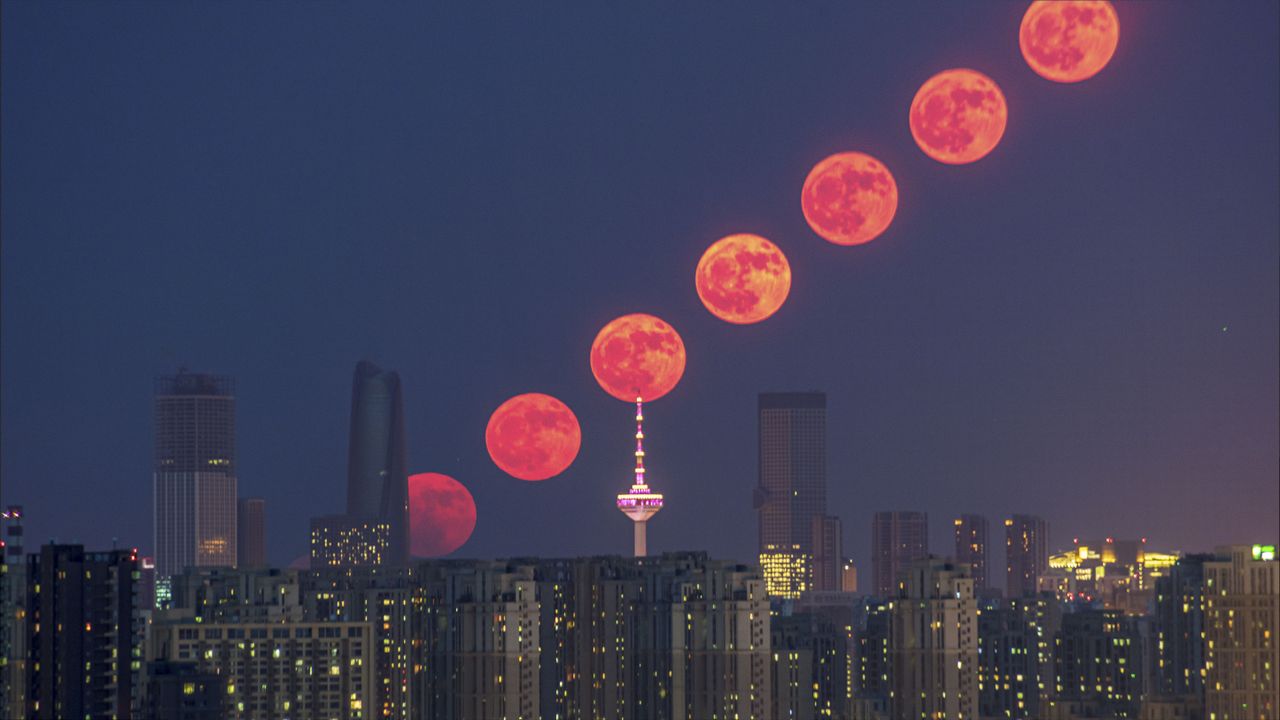
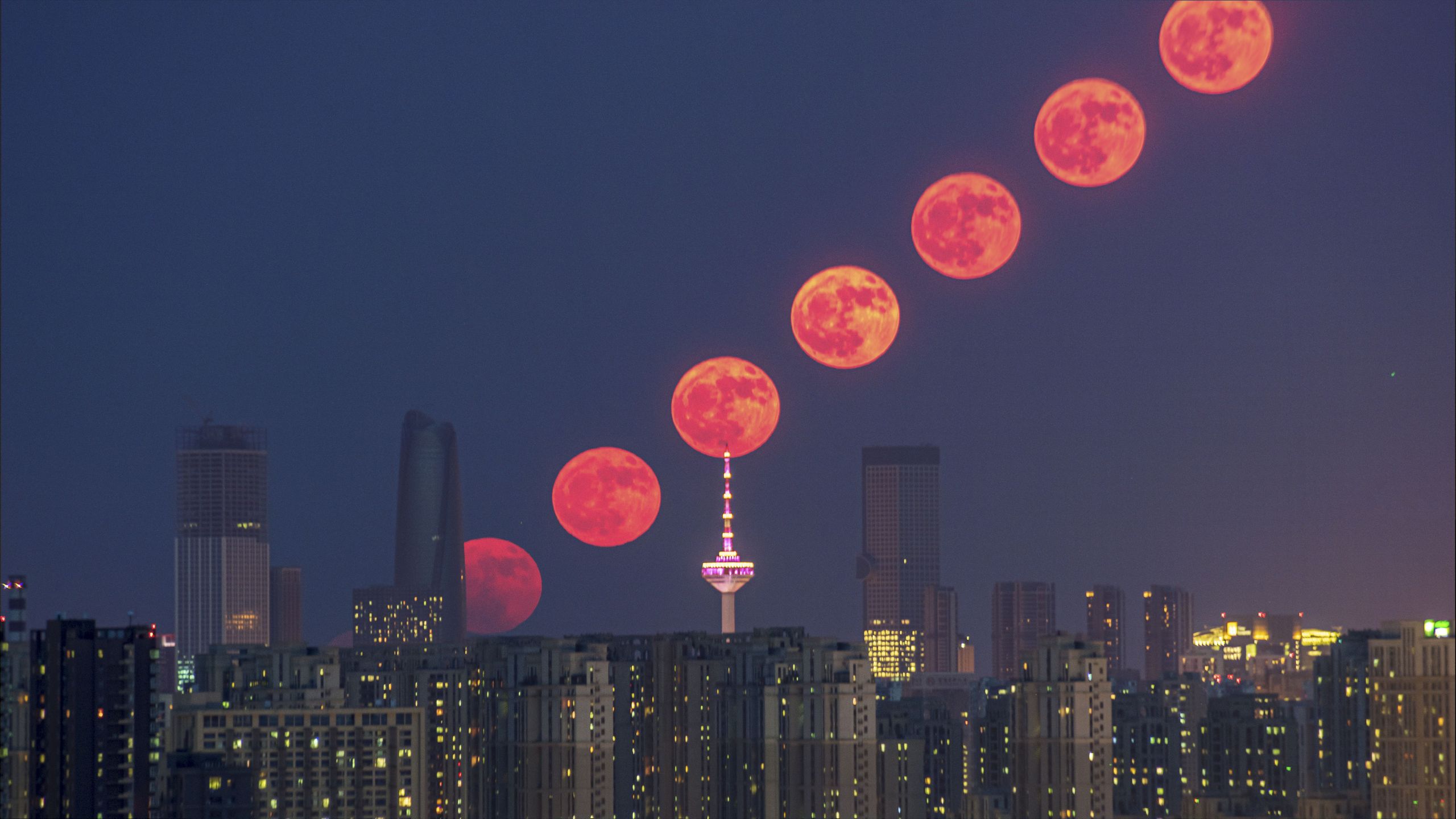
The exact peak of the Strawberry Moon occurs on June 28, 2026, at 02:11 UTC. For observers in the Americas, the moon will be at its fullest on the evening of June 27 into the early hours of June 28. However, the moon will appear nearly full on both the preceding and following nights—June 27 and June 29. To catch the most dramatic view, plan to look just after sunset when the moon rises low on the horizon. This moon illusion makes it appear larger and more colorful.
- Best viewing window: June 27–29, 2026
- Peak illumination: June 28, 02:11 UTC
- Local rise times: Check your local sunset and moonrise for precise times
Where to Look for the Best View
No special equipment is needed to enjoy the Strawberry Moon—a clear, dark sky is all that's required. For optimal viewing, choose a location away from city lights, such as a park, countryside, or beach. The moon will rise in the east around sunset and climb higher throughout the night. If you're in the northern hemisphere, look toward the southeast at dusk. Binoculars or a telescope can enhance the experience, revealing craters and maria (dark plains) on the lunar surface. For photographers, a tripod and a telephoto lens will help capture detailed shots.
To get the most out of your viewing, consider these tips:
- Check the weather forecast to ensure clear skies.
- Arrive early to let your eyes adjust to darkness.
- Use a red flashlight to preserve night vision.
- Bring a blanket or chair for comfortable stargazing.
Skywatching Highlights: What Else to See
While the Strawberry Moon is the main event, the night sky holds additional treasures. In late June 2026, the moon will pass near the bright star Antares in the constellation Scorpius. Antares, a red supergiant, may appear as a faint orange speck nearby. Additionally, the planets Jupiter and Saturn will be visible in the predawn sky, though not directly adjacent to the moon. For a more immersive experience, look for the Milky Way arching overhead after midnight, especially from dark-sky locations. Use a stargazing app to identify other celestial objects that share the sky with the full moon.
Cultural Significance of the June Full Moon
Beyond its name, the Strawberry Moon holds cultural importance around the world. In Europe, it's known as the Honey Moon, a nod to the honey harvest and the tradition of marrying in June. In India, the Hindu calendar marks this full moon as the start of the Vat Purnima festival, where married women pray for their husbands' longevity. Buddhist cultures observe this time for meditation and reflection. Understanding these traditions adds depth to your moon-gazing experience.
For more moon-related content, explore our guides on other full moon names or upcoming lunar events.