Tim Cain on Gaming's Transformation: How Online Influencers Reshaped Development and Player Judgment
The Internet's Lasting Influence on Game Development
In a recent YouTube video, veteran RPG designer Tim Cain—known for his work on Fallout and Arcanum—took a long view of how the internet has changed both game creation and the way players engage with titles. From early message boards to the dominance of streaming, Cain sees a mixed bag of progress and pitfalls, with particular concern for the state of game commentary today.
The Freeform Era of the 1980s
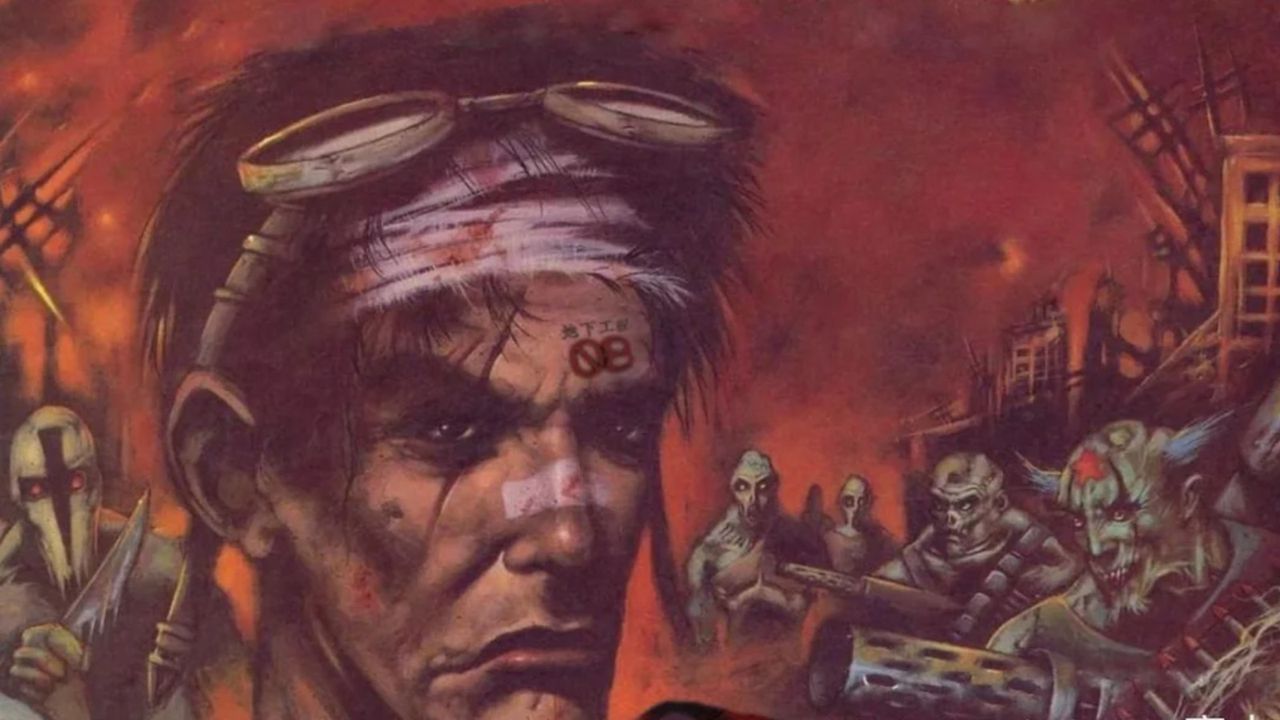
Cain recalls the 1980s as a golden age of experimentation. Without widespread online discourse, developers faced few preconceived notions about genres or design conventions. This lack of unified player expectations allowed for a freeform environment where innovation thrived. Games weren't constrained by what a vocal community thought they should be—they simply were. The only supplementary materials were manuals and occasional print magazines like PC Gamer, which gave creators room to take risks.
The Late '90s Shift: Message Boards and Guides
The late 1990s marked the first major shift, according to Cain. The rise of internet message boards and online guides replaced the do-it-yourself ethos of earlier gaming. Suddenly, players had forums where they could share strategies, vent frustrations, and shape a collective narrative about what made a game good or bad. This democratization of opinion also brought the first signs of rigid expectation: developers began to feel pressure from a now-audible player base.
The Age of Influencers
The next seismic change came with video content and the emergence of influencers. Cain notes that the demand for shareable clips has begun to influence what gets built. Developers now ask, "What part of our game would make for good clips?" This focus on streamability often disadvantages certain genres. As a CRPG fan, Cain laments that games like his own—with their zoomed-out perspectives and walls of text—rarely produce viral moments. They simply aren't built for short-form video.
Clip-Centric Design and Its Consequences
This shift toward clip-worthiness doesn't just affect marketing; it alters core design decisions. Games with flashy animations, high-octane battles, or humorous glitches get prioritized, while slower, narrative-driven experiences risk being overlooked. The result is a subtle homogenization of what gets funded and played.
The Shift in Game Criticism
More troubling to Cain is how influencers have changed the nature of game criticism. He observes a move from informed reviews to opinion delivery—where viewers don't seek analysis but instead look to be told what to think. Cain draws a sharp contrast: "Reviews used to say, 'This game has less combat and more puzzles and dialogue than that other game.' Now they say, 'This game is stupid and slow-paced, made for casuals—skip it.'" The nuance is gone, replaced by moralizing and hysteria around design choices.
The Psychology of Tastemaking
Parasocial Relationships and Opinion Homogenization
Cain acknowledges that seeking out a reviewer with shared tastes is natural and healthy. But he argues that what we see today goes beyond that. Parasocial relationships with influencers have led gamers to abdicate their own judgment. They align with a favored creator and simply adopt that person's opinions wholesale, often without personal engagement with the game itself. This balkanization of opinion communities creates echo chambers where extreme views flourish, especially regarding games people never even play.
The Danger of Abdicating Judgment
Cain's core worry is that this trend erodes critical thinking. "More people seem to be abdicating their own judgment to that of people they see online," he says. When gamers stop forming their own opinions, they lose the ability to evaluate a game on its own merits. The result is a culture where blind loyalty replaces thoughtful discourse—a loss felt both by developers trying to innovate and by players missing out on diverse experiences.
Looking Ahead: Reclaiming Independent Thought
Tim Cain's reflections serve as a cautionary tale about the double-edged sword of internet connectivity. While influencers can help discover hidden gems and build communities, there's a cost when they become the sole arbiters of taste. For gamers, the challenge is to remain curious, play widely, and trust their own instincts. For developers, the task is to resist the pull of clip-chasing design and stay true to the creative freedom that made early gaming so exciting.