10 Key Insights from Morgan Stanley's Bitcoin Journey: Why The Market Is Still in Its Infancy
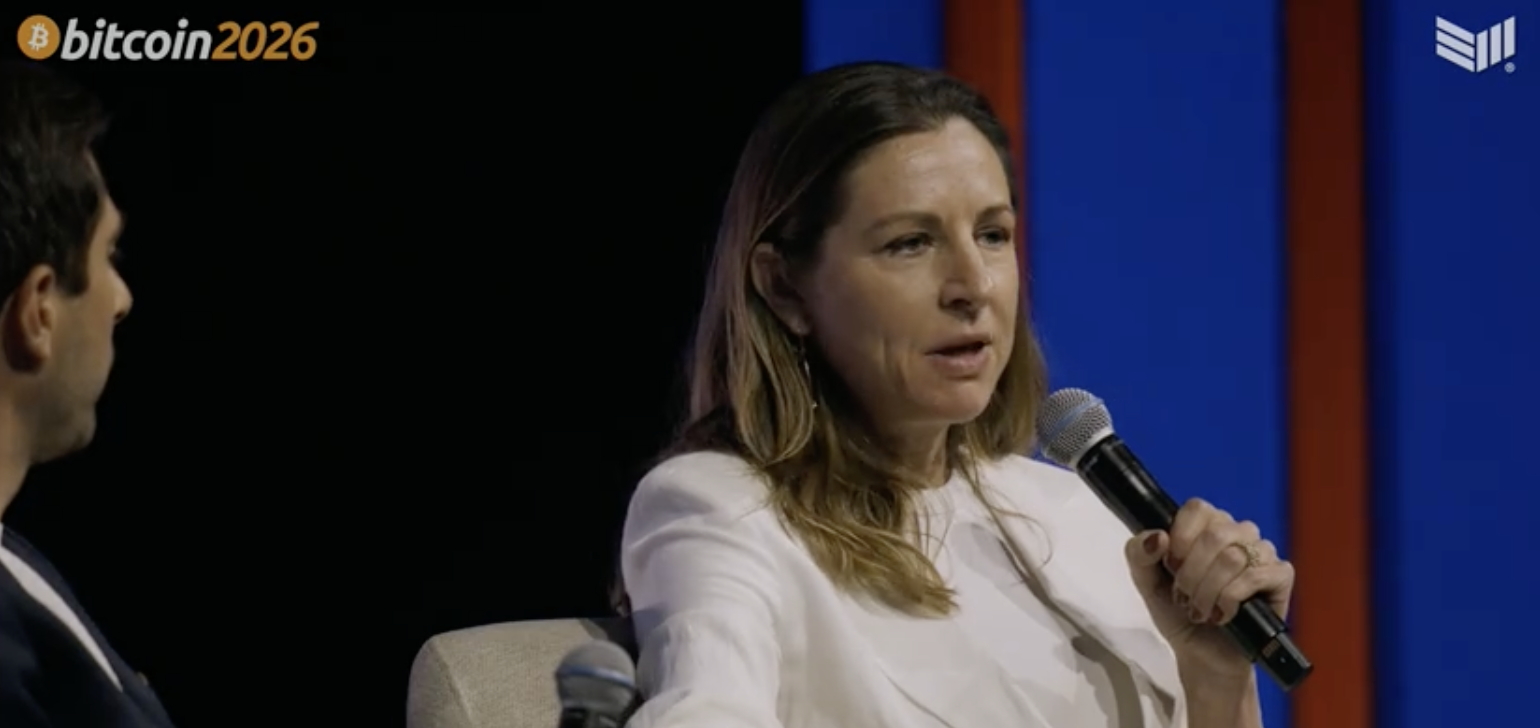
When Morgan Stanley launched its Bitcoin exchange-traded product, the Morgan Stanley Bitcoin Trust (MSBT), it signaled a major step by a traditional financial giant into the digital asset space. But Amy Oldenburg, the bank's head of digital assets, made it clear at a recent panel: we're still at the very beginning. Her extensive remarks highlighted that while institutions are entering the market, the education gap remains the industry's most urgent problem. In this listicle, we break down the ten most critical takeaways from Oldenburg's conversation, providing a roadmap for understanding where Bitcoin stands today and where it's headed.
1. Morgan Stanley Launches the Bitcoin Trust (MSBT)
Morgan Stanley introduced the Morgan Stanley Bitcoin Trust, a spot Bitcoin exchange-traded product (ETP), into what it considers a market still in its infancy. The product is designed to serve the bank's full client spectrum, from retail investors to high-net-worth individuals. With a market cap of approximately $1.5 trillion for Bitcoin at the time, the move represents a major acknowledgment of the asset's growing legitimacy. Oldenburg described the launch as a necessary step to meet client demand, but she was quick to note that the infrastructure and adoption are only beginning to take shape. The trust pulled in over $100 million in its first week, a strong early indicator—though not without caveats.
2. The Crucial Bitcoin vs. Crypto Distinction
Oldenburg emphasized that Bitcoin and the broader crypto landscape are not the same thing, a distinction she believes most clients—both retail and institutional—still fail to grasp. She pointed to Bitcoin's massive market cap and its relative distance from other digital assets. The bank wants to anchor this distinction in fundamental research, not just market narratives. For advisors and investors, understanding that Bitcoin stands apart from decentralized finance tokens or altcoins is critical for making informed allocation decisions. This clarity is still missing from most conversations, she argued, and represents a core educational challenge.
3. The Deep Education Problem
Many investors still associate Bitcoin with its early history of use by bad actors on darknet markets. This persistent frame makes it difficult for them to weigh an allocation objectively. Oldenburg said the industry's most urgent problem is bridging this knowledge gap. She noted that even today, advisors and clients struggle to move past the stigma. The solution lies in ongoing education, which Morgan Stanley is tackling through internal training and direct outreach. The bank is committed to ensuring that every client can have an informed conversation about Bitcoin's actual use cases and risks.
4. Clarity on Yield and Structured Products
When clients ask about yield or structured exposure, Oldenburg's team is direct: "You can present it as a yield, but the underlying asset is Bitcoin." This transparency is often missing in the broader market. She stressed that investors need to understand that any yield product tied to Bitcoin still carries the same underlying volatility and risks. The bank's approach is to avoid obfuscation, even if it means slower adoption. She added that there is "so much more work to do" in ensuring that clients see through the wrapper to the core asset.
5. Strong Early Flows for MSBT
The Morgan Stanley Bitcoin Trust pulled in more than $100 million in its first week of trading, a significant figure that could be interpreted as a vote of confidence. However, Oldenburg quickly contextualized this number: all of these initial inflows came through self-directed accounts. The product had not yet been made available on the bank's advisory platform. This distinction is crucial—it means that early demand was driven by clients who already had a high degree of comfort with Bitcoin, not by those receiving recommendations from advisors.
6. The Advisory Platform Gap
Despite the strong flows from self-directed accounts, adoption through financial advisors has been slow. Oldenburg noted that Morgan Stanley announced a 2–4% crypto allocation recommendation, yet take-up by advisors has been sluggish. She reminded the audience that the product has been on the market for less than a year. The gap highlights the need for more education and time before advisors feel confident recommending Bitcoin to their clients. The bank is actively working to bridge this divide.
7. The 2-4% Allocation Recommendation
Morgan Stanley has publicly recommended that clients consider a 2–4% allocation to crypto. This guidance is based on portfolio optimization models that suggest a small allocation can improve risk-adjusted returns. Yet Oldenburg acknowledged that even with this recommendation, advisors remain hesitant. The bank is taking a long-term view, recognizing that adoption of a new asset class takes years. The recommendation itself is a strong signal that Morgan Stanley views Bitcoin as a legitimate component of a diversified portfolio.
8. Training Financial Advisors from the Inside Out
To overcome the advisory gap, Morgan Stanley is rolling out internal training programs so that its financial advisors can speak confidently about Bitcoin. Oldenburg said her team spends "hour after hour after hour" on the phone walking clients through models and allocation frameworks. The training covers the basics of blockchain, market dynamics, and how to answer client objections. The goal is to equip every advisor to have an informed conversation about digital assets without relying on external research or hearsay.
9. Client Onboarding: A Hands-On Process
Onboarding clients into Bitcoin involves significant time and effort. Oldenburg described the process as highly personalized, with her team dedicating extensive hours to phone calls that explain models and allocation frameworks. The bank is designing products for clients with different needs, including a direct ETP wrapper for those who prefer a simple solution. She also mentioned that spot crypto trading is coming for wealth management clients, indicating a broader expansion of digital asset services.
10. Custodian Selection: A Complex Decision
Choosing custodians for Bitcoin assets is not straightforward. Oldenburg acknowledged the complexity of the decision, noting that the market has no shortage of providers. Factors like security, regulatory compliance, and insurance all come into play. The bank evaluated multiple options before selecting partners, and the process involved rigorous due diligence. This complexity is another reason why institutional adoption is gradual; firms need to ensure that every aspect of the infrastructure is robust before committing significant capital.
Conclusion
Amy Oldenburg's insights from the Morgan Stanley panel make one thing clear: we are genuinely still early in Bitcoin's journey. The $100 million first week for MSBT is impressive, but it came solely from self-directed accounts, and advisory adoption lags. The education gap around Bitcoin's distinction from crypto, its history, and its role in portfolios remains the industry's most pressing issue. Morgan Stanley's methodical approach—training advisors, building transparent products, and spending hours with clients—reflects a long-term commitment. As the market matures, those who take the time to understand Bitcoin now will be best positioned for what comes next.