10 Key Transformations That Turned 'For All Mankind' from 'The Right Stuff' into 'The Expanse'
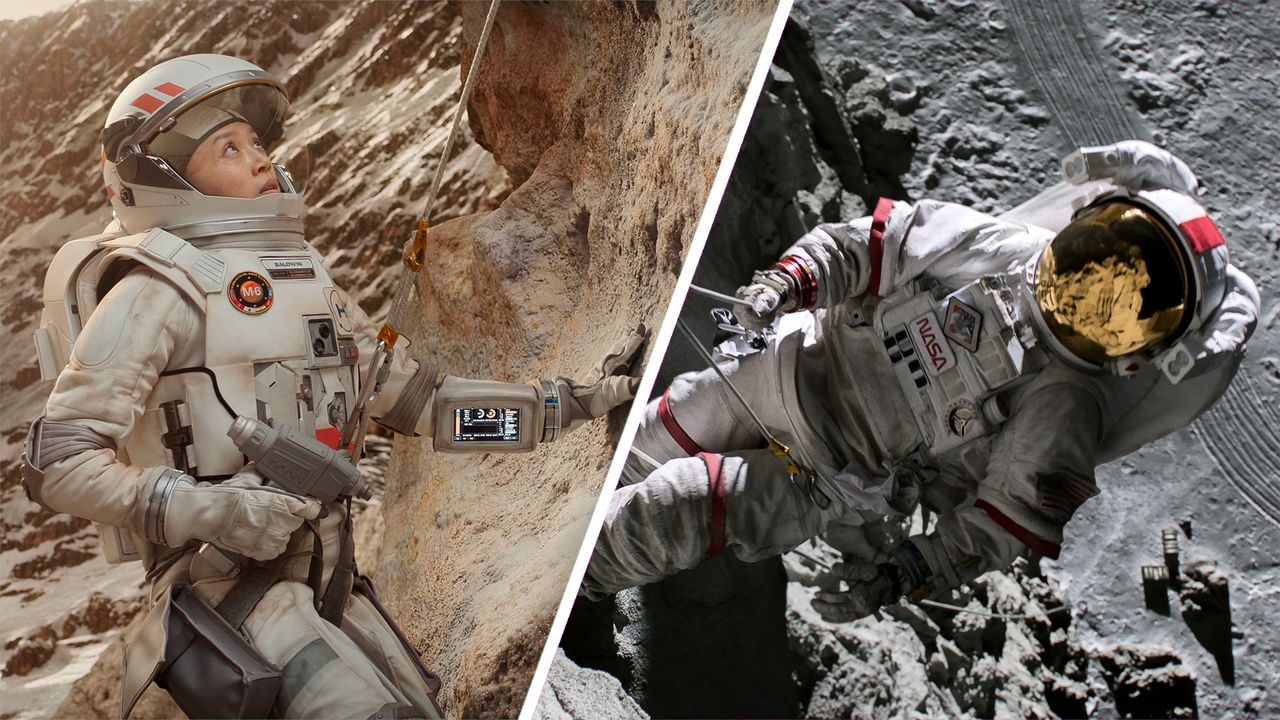
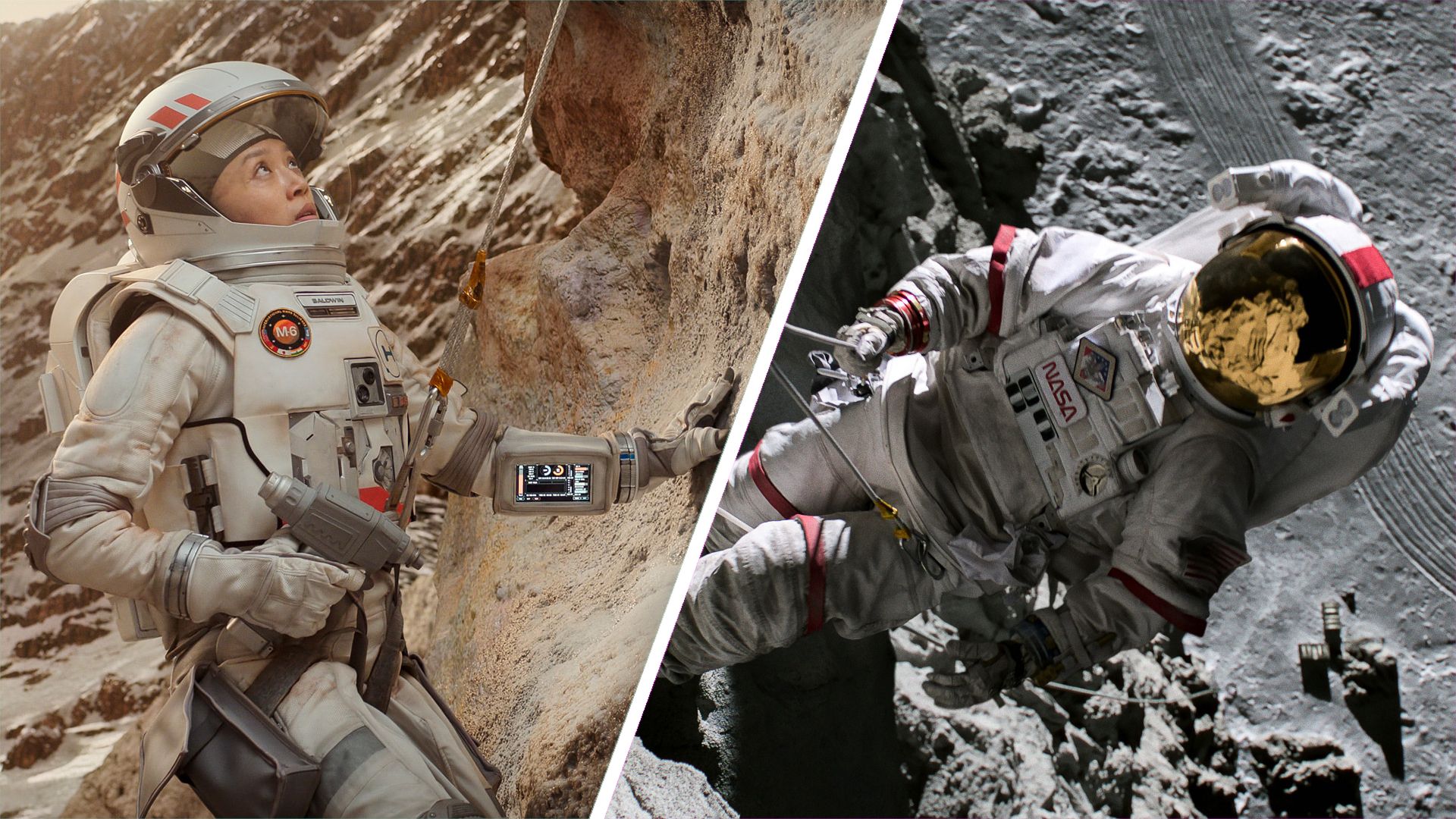
When Apple TV+'s For All Mankind first launched, it felt like a thoughtful, character-driven period piece—a loving homage to the heroic age of NASA astronauts, reminiscent of films like The Right Stuff. But as the seasons progressed, the show underwent a remarkable metamorphosis. It didn't just advance its timeline; it reinvented its genre. By its fourth season, the series had fully embraced the awe-inspiring, scientifically grounded hard sci-fi of works like The Expanse. Here are the ten key shifts that defined this evolution, from historical drama to a frontier saga about humanity among the stars.
1. The Initial Concept: An Alternate History Period Piece
For All Mankind began with a simple but powerful premise: What if the Soviet Union beat the United States to the moon? This alternate history allowed the show to explore a 1960s and '70s space program that was more ambitious and politically charged than in reality. The first season focused heavily on the personal lives of NASA astronauts, engineers, and their families, drawing clear inspiration from The Right Stuff. The production design, costumes, and dialogue all screamed period drama. The science was accurate for the era, but the story was firmly anchored in human emotions and political intrigue.
2. Season 1: Grounded in Historical Realism
In its debut season, For All Mankind was meticulous about its historical grounding. Every rocket launch, every piece of technology, and even the casual sexism and racism of the era were depicted with documentary-like precision. The show's creators consulted with NASA historians and used real-life mission events as stepping stones. While the alternate timeline allowed for earlier space stations and lunar bases, the technology felt believable for the 1970s. This commitment to realism made the eventual leaps feel earned and exciting.
3. Season 2: Introducing Technological Leaps
Season 2 jumped to the 1980s and immediately started pushing boundaries. The show introduced a permanent lunar base, moon rovers, and the beginning of nuclear propulsion development. While still rooted in the aesthetic and geopolitics of the Reagan era, the technology began to outpace real-world history. The introduction of the Sea Dragon rocket—a real but never-built concept—was a turning point. Viewers started to feel the subtle shift from historical drama to speculative fiction, though the character dramas remained central.
4. Season 3: Jumping to the 1990s with Advanced Tech
By season 3, set in the 1990s, the show fully committed to its alternate timeline's technological acceleration. We saw a Mars mission in 1994, using nuclear thermal rockets and inflatable habitats. The series now featured space habitats, asteroid mining, and a more diverse astronaut corps. The political storylines began to feel secondary to the sheer wonder of space exploration. The aesthetic started shifting away from retro-futurism toward something closer to contemporary hard sci-fi, much like the world-building of The Expanse.
5. Season 4: Mars Colonization and Beyond
Season 4 leapt to 2003 and depicted a fully functional Mars colony with a population of thousands. The show now dealt with issues like resource scarcity, labor disputes, and interplanetary politics. The technology included advanced space elevators, asteroid tugs, and a massive starship under construction. At this point, For All Mankind had left the cozy confines of historical drama behind and become a full-fledged hard science fiction series. The visuals and scientific concepts rivaled anything in The Expanse, but the emotional core kept it grounded.
6. Shift in Tone: From Political Drama to Hard Sci-Fi
One of the most noticeable changes was the tonal shift. Early seasons were about the Cold War, personal rivalries, and system-level prejudice. Later seasons focused on the challenges of living in space: radiation, low gravity, psychological isolation, and engineering problems. The show stopped being a political thriller set in space and transformed into a story about human survival and expansion. That is the essence of hard sci-fi—making the science central to the plot and using it to ask deeper questions about society.
7. Influence of The Right Stuff: Focus on Astronaut Heroes
In its early days, For All Mankind was clearly inspired by The Right Stuff. Both celebrate individual heroism, the courage of test pilots, and the sacrifice required for exploration. Characters like Ed Baldwin and Gordo Stevens echoed the cocky but dedicated astronauts of Tom Wolfe's book. The show leaned heavily on the mystique of the astronaut as a modern-day cowboy. This archetype gradually evolved as the series progressed, with new characters like Danielle Poole and Aleida Rosales representing a more diverse, less egocentric vision of exploration.
8. Influence of The Expanse: Realistic Space Physics
As the show matured, it increasingly adopted the realistic space physics that define The Expanse. Gravity is treated as a constant concern—spaceships accelerate with G-force, rotating habitats create artificial gravity, and spacewalks are depicted with terrifying vulnerability. The show also embraced the concept of the 'Belt' with asteroid miners and station dwellers. By season 4, the physics felt as rigorous as any modern sci-fi, making the fantastical elements feel plausible. The shift from 'Apollo-era cool' to 'Newtonian danger' was complete.
9. Character Evolution: From Real-Life Figures to Fictional Pioneers
The characters themselves evolved. Early seasons had thinly veiled stand-ins for real astronauts (e.g., Neil Armstrong, Buzz Aldrin) and historical figures like Wernher von Braun. Over time, the show moved entirely to original characters who felt like genuine products of their alternate history. These were no longer people we recognized from history books but pioneers of a new timeline. Their motivations shifted from patriotic duty to a deeper, almost spiritual drive to explore, mirroring the transition from The Right Stuff's jock heroes to The Expanse's complex, morally ambiguous explorers.
10. The Future: What's Next for the Franchise?
With season 4 ending on a massive cliffhanger involving a starship and a potential new habitable world, For All Mankind is poised to push even further into hard sci-fi territory. The next season is expected to skip decades, possibly reaching the mid-21st century. We may see faster-than-light travel, alien artifacts, or post-humanism. The transformation is complete: what started as a The Right Stuff tribute is now a full-blown The Expanse-style saga about humanity's destiny among the stars. The only question is how far the show will go.
From its humble beginnings as a retro period drama to its current status as one of television's most ambitious sci-fi epics, For All Mankind has charted a remarkable course. It proved that a show can evolve its genre without losing its soul, and that the best way to honor the space age might be to imagine where it could have taken us. Whether you loved the early seasons for their human drama or the later ones for their scientific realism, the journey has been nothing short of stellar.